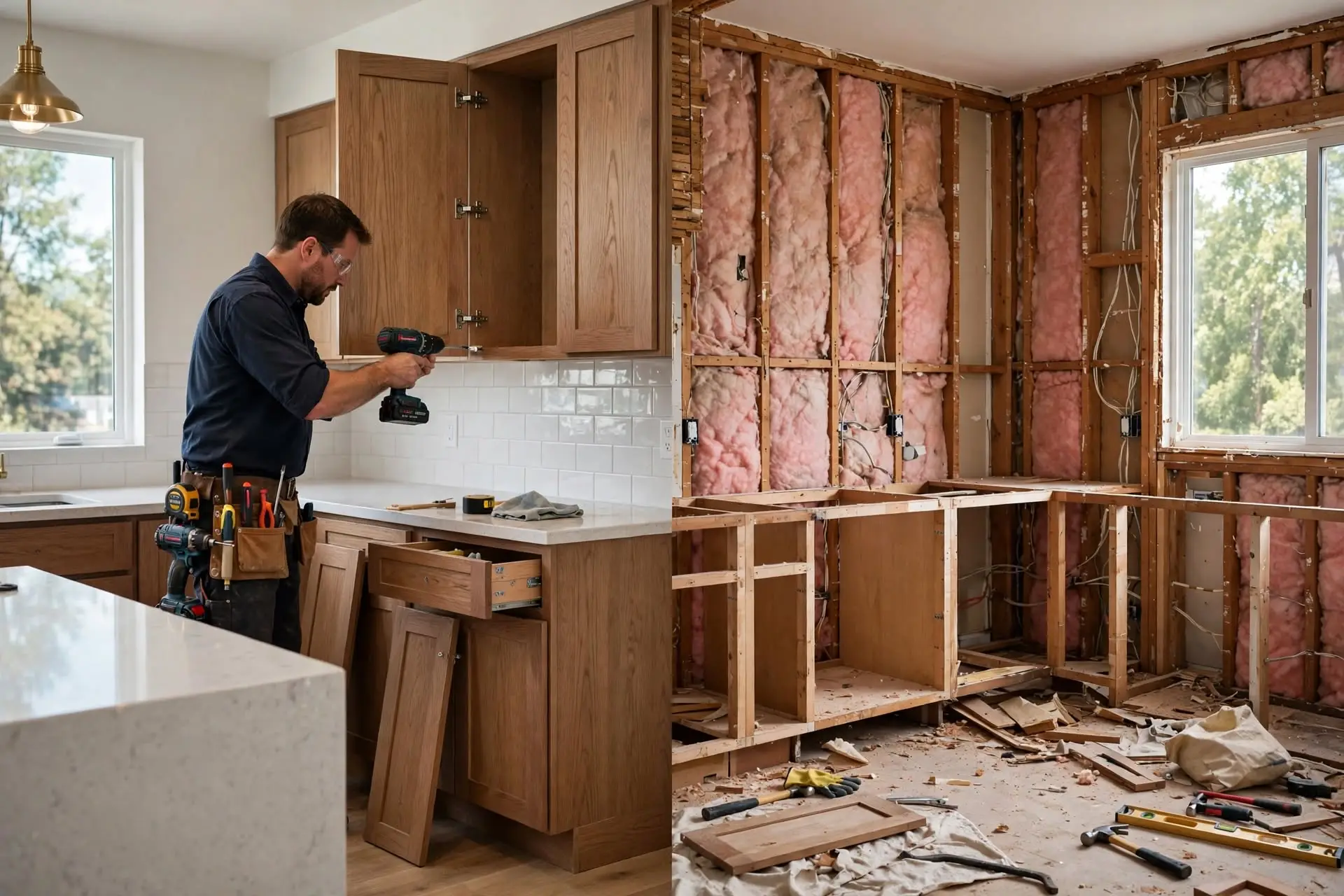

Every homeowner who has done a remodel has heard the phrase change order, and usually it lands with a heavy feeling. Change orders are the paperwork that documents any addition or modification to the original contract, and they almost always cost more money and add more time. Some change orders are unavoidable because construction reveals surprises. Others are avoidable and happen because of choices the homeowner or the contractor made along the way. Knowing the difference between the two types is what separates a project that stays close to budget from one that runs 30 percent over.
What a Change Order Actually Is
Change orders exist because contracts cannot cover every possibility. When something has to change from the original scope, the change order documents what and why.
The Basic Format
A proper change order lists what work is being added or removed, what the cost impact is, what the schedule impact is, and requires signatures from both the homeowner and the contractor before the work happens. Verbal change orders are a red flag. Anything that changes the contract needs to be in writing.
The Legitimate Version
Some change orders are simply the paperwork for handling real surprises. A wall opened during demolition reveals rotted framing. A plumbing line is not where the drawings said it would be. A code inspector requires an upgrade nobody planned for. These are unavoidable and get handled through the change order process.
The Problematic Version
Other change orders come from scope creep, which is the slow addition of features and upgrades that were not in the original plan. This is where budgets die. A little bit of scope creep spread across a dozen small change orders adds up to major cost overruns by the end of the project.
Why Scope Creep Happens
Scope creep does not usually come from bad intentions. It comes from a few predictable patterns that homeowners can spot and avoid.
The As Long As You Are Here Trap
The most common scope creep pattern is the as long as you are here upgrade. The thinking goes that since the crew is already doing the bathroom, they may as well update the hall bath too. Since the tile setter is on site, adding the backsplash you were going to skip seems reasonable. Each individual addition sounds small, but ten additions later, the budget is unrecognizable.
Falling in Love With Upgrades
The other big pattern is falling in love with something at the showroom that costs more than the budgeted item. The upgraded faucet is only 200 dollars more. The upgraded tile is only 4 dollars per square foot more. The upgraded fixtures are only 500 dollars more. On a small project, these add up quickly. On a large project, they can add ten to twenty percent to the total.
Design Changes Mid Project
Homeowners who see the work happening sometimes want to change the design partway through. Moving an outlet, changing the tile pattern, or adjusting a cabinet layout after the work has started always costs more than getting the design right up front. Once demolition or rough in is done, changes trigger rework that carries its own cost.
How to Prevent Avoidable Change Orders
Most scope creep can be prevented with planning and discipline before the project starts.
Finalize Selections Before Demolition
Every finish, fixture, and detail should be picked and ordered before demo day. Chasing selections during construction is where projects lose control. Contractors who insist on final selections before starting are actually helping you stay on budget.
Build a Change Order Budget Into the Project
Set aside 10 to 15 percent of the total project cost as a change order reserve. That reserve covers the unavoidable surprises and gives you a real dollar limit to say no once it is spent. If you plan for zero change orders, the first legitimate surprise blows the budget entirely.
Say No to Middle of Project Additions
When the crew asks if you want to add another project while they are on site, know that yes means more money and more time. Sometimes the answer is worth it. More often, the addition can be done later as its own project without adding to the current one. Give yourself permission to say not now.
Get Detailed Contracts Up Front
The more detailed the original contract, the fewer things fall into the gray area where change orders happen. Contracts that list specific brands, model numbers, tile sizes, and paint colors leave less room for confusion later.
How to Handle Change Orders When They Do Happen
Not every change order is avoidable. When one comes up, handle it in a way that keeps control of the project.
Get the Cost in Writing Before Approving
Never approve a change order without a written cost impact. Verbal estimates during construction turn into invoices at the end that are much higher than what was discussed. If the contractor cannot give you a written price, do not approve the change until they can.
Know the Schedule Impact
Change orders often add days or weeks to the schedule that never get quoted. Ask specifically how the change affects the completion date. A one day addition to the tile scope might delay everything after it by three or four days once inspection windows and trade scheduling are factored in.
Push Back on Vague Change Orders
If a change order description reads add extra outlets for 800 dollars, push for detail. Ask how many outlets, what kind they are, and where exactly they will go. Vague change orders let costs balloon after the fact because the scope was never nailed down.
Learn From Each One
Every change order teaches you something about the project. If most of them are coming from surprises during demolition, the original scope was underinvestigated. If most are coming from your own additions, you need to be more disciplined about staying inside the original plan. Recognizing the pattern early helps you control the rest of the project before the cost overruns become impossible to reverse.
The Bottom Line
Change orders are neither bad nor good. They are the mechanism for adjusting a plan to reality. The homeowners who finish projects close to budget are the ones who plan for necessary changes and refuse unnecessary ones. Every yes to a change order is a real dollar decision. Treat it that way, and the budget stays under control. Treat every change order casually, and the total project cost creeps up week after week until the final invoice is a shock nobody planned for.